10 Essential Best Practices for Corporate Videography Success

Creating effective corporate videos requires more than just good cameras and editing software. A well-planned video production can communicate your message clearly, engage your audience, and strengthen your brand’s presence. This post shares ten essential best practices to help you achieve success in corporate videography, whether you work with a production company or handle video projects in-house.

1. Define Clear Objectives for Your Video
Start every project by identifying the purpose of your video. Are you introducing a new product, training employees, or sharing company values? Clear goals guide the entire production process and ensure your message stays focused. For example, a training video should prioritize clarity and step-by-step instructions, while a brand story video might focus on emotional connection.
2. Know Your Audience
Understanding who will watch your video shapes the tone, style, and content. Corporate clients often appreciate straightforward, professional videos that respect their time. Tailor your script and visuals to their interests and needs. For instance, a video aimed at executives might highlight data and results, while one for new hires could be more welcoming and informative.
3. Plan Your Script and Storyboard Thoroughly
A strong script is the backbone of any successful video. Write clear, concise dialogue or narration that supports your objectives. Use a storyboard to visualize scenes and camera angles before filming. This preparation saves time during production and helps avoid costly reshoots. A production company often provides these services, but even small teams benefit from detailed planning.
4. Choose the Right Location and Setting
Select locations that enhance your message without distracting viewers. A clean, well-lit environment works best for interviews or product demonstrations. Avoid cluttered backgrounds or noisy spaces. For example, a company introducing new technology might film in a sleek lab or workspace to reinforce innovation.
5. Use Professional Lighting and Sound
Good lighting and clear audio are critical for video quality. Natural light can work, but professional lighting setups ensure consistent results. Use microphones to capture crisp sound and reduce background noise. Poor audio quality can distract viewers and reduce the impact of your message.
6. Invest in Quality Equipment or a Skilled Production Company
While smartphones can shoot decent video, investing in quality cameras, lenses, and stabilization tools improves the final product. Alternatively, hire a production company with experience in corporate videography. They bring expertise, equipment, and creative insight that can elevate your video beyond basic footage.
7. Keep Videos Concise and Engaging
Attention spans are short, especially in corporate settings. Aim for videos that deliver your message in 2 to 5 minutes. Use engaging visuals, clear narration, and avoid unnecessary details. For example, a company overview video might highlight key achievements and future goals without lengthy history.
8. Incorporate Branding Subtly
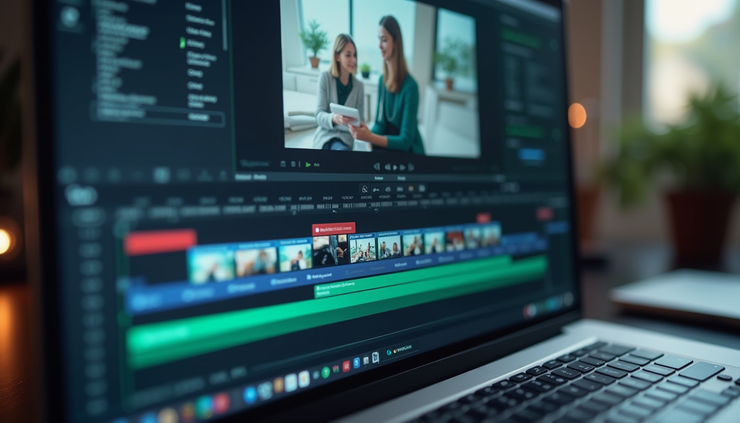
Include your company’s logo, colors, and fonts in a way that supports the video without overwhelming it. Subtle branding helps viewers associate the content with your organization while keeping the focus on the message. For example, use branded lower thirds or intro/outro sequences rather than large logos throughout.
9. Test and Review Before Final Release
Before sharing your video widely, test it with a small audience from your target group. Gather feedback on clarity, pacing, and overall impact. Make adjustments based on this input to improve effectiveness. A production company often offers multiple revision rounds to refine the video.
10. Plan Distribution Strategically
A great video has little value if it doesn’t reach the right people. Plan how and where you will share your video—whether on your website, internal platforms, or at events. Consider formats and lengths suitable for each channel. For example, a short teaser might work well in email newsletters, while the full video fits on your corporate site.


Comments